When it comes to getting the maximum nutritional return from every bite, not all fruits are created equal. The most nutrient dense fruits deliver an extraordinary concentration of vitamins, minerals, antioxidants, and fiber relative to their caloric content — making them the smartest choices for anyone who wants to eat strategically for long-term health rather than just following generic advice to “eat more fruit.”
This complete guide breaks down the 7 most nutrient dense fruits available — with detailed nutritional profiles, specific health benefits backed by research, practical tips for incorporating each one into daily life, and a comprehensive comparison that makes it easy to prioritize the options that will give your body the most benefit!
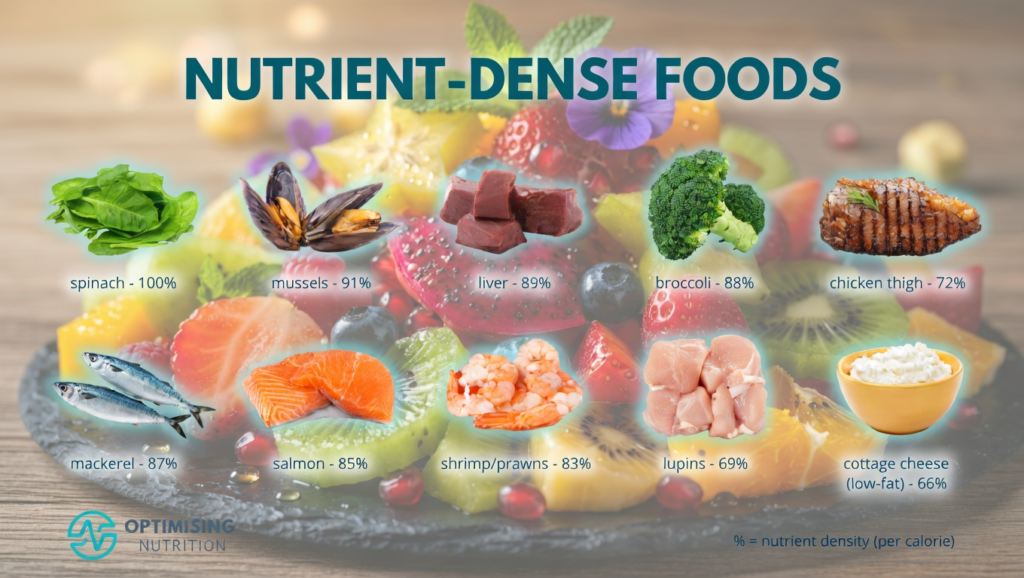
Before diving into the list, it is worth understanding exactly why identifying the most nutrient dense fruits is such a valuable nutritional strategy:
The Case for Nutrient Density Over Calorie Counting:
| Approach | Focus | Long-Term Outcome |
|---|---|---|
| Calorie counting only | How much energy | Often misses micronutrient needs |
| Nutrient density focus | How much nutrition per calorie | Naturally supports health and satiety |
| Variety without strategy | General fruit consumption | Good but not optimized |
| Strategic nutrient density | Prioritizing highest-value fruits | Maximum health return per serving |
The most nutrient dense fruits allow you to cover an extraordinary range of nutritional needs — vitamins, minerals, antioxidants, fiber, and phytonutrients — in just 2-3 servings per day without needing to think about complicated meal planning or supplementation.
Guava consistently tops the list of most nutrient dense fruits by a significant margin — and once you see its full nutritional profile, it is easy to understand why.
Complete Nutritional Profile of Guava per 100g:
| Nutrient | Amount | % Daily Value | Compared to Orange |
|---|---|---|---|
| Vitamin C | 228mg | 254% | 4x more than orange |
| Fiber | 5.4g | 19% | 2x more than apple |
| Folate | 49mcg | 12% | Significant contribution |
| Potassium | 417mg | 9% | More than banana |
| Vitamin A | 624 IU | 12% | Good carotenoid content |
| Lycopene | 5204mcg | — | Higher than tomato |
| Calories | 68 | — | Very low |
Why Guava Stands Alone at the Top:
No other common fruit delivers vitamin C at 254% of the daily value alongside meaningful fiber, potassium, and lycopene at just 68 calories per 100 grams. This combination makes guava not just the richest source of vitamin C among fruits but also one of the most comprehensively nutritious foods in any category.
Health Benefits Specific to Guava:
How to Eat Guava:
Blueberries earn their position as the second of the most nutrient dense fruits not through vitamin C content but through their extraordinary antioxidant profile — specifically their concentration of anthocyanins that accumulate in the brain and cardiovascular system.
Complete Nutritional Profile of Blueberries per 100g:
| Nutrient | Amount | % Daily Value | Key Function |
|---|---|---|---|
| Anthocyanins | 163-560mg | — | Brain and heart protection |
| Vitamin C | 9.7mg | 16% | Immune support |
| Vitamin K | 19mcg | 24% | Blood clotting, bone health |
| Manganese | 0.34mg | 17% | Enzyme activation, bone formation |
| Fiber | 2.4g | 9% | Gut health, blood sugar |
| Calories | 57 | — | Very low |
The Brain-Blueberry Connection:
Research published in leading nutritional science journals has demonstrated that the anthocyanins in blueberries physically accumulate in brain regions associated with learning and memory — particularly the hippocampus. Studies consistently show that regular blueberry consumption:
How to Eat Blueberries:
Kiwi earns its place among the most nutrient dense fruits through a uniquely well-rounded nutritional profile — delivering both vitamin C and vitamin K in significant amounts alongside a unique enzyme and surprising sleep benefits.
Complete Nutritional Profile of Kiwi per 100g:
| Nutrient | Amount | % Daily Value | Unique Feature |
|---|---|---|---|
| Vitamin C | 93mg | 103% | Immune and skin support |
| Vitamin K | 40mcg | 50% | Rare in fruits — bone and blood |
| Vitamin E | 1.5mg | 10% | Antioxidant, skin protection |
| Folate | 25mcg | 6% | Cell division, pregnancy |
| Fiber | 3.0g | 11% | Both soluble and insoluble |
| Actinidin | Present | — | Unique protein-digesting enzyme |
| Serotonin | Present | — | Sleep quality support |
| Calories | 61 | — | Very low |
The Kiwi-Sleep Research:
A clinical study found that adults who ate two kiwis one hour before bed for four consecutive weeks experienced significant improvements in sleep onset time, total sleep duration, and sleep efficiency compared to baseline. The mechanism appears to involve kiwi’s serotonin content and antioxidant activity that reduces oxidative stress linked to poor sleep.

How to Eat Kiwi:
Avocado earns its place among the most nutrient dense fruits by being nutritionally unlike any other fruit — deriving most of its calories from heart-healthy monounsaturated fat while delivering remarkable amounts of fiber, potassium, and B vitamins.
Complete Nutritional Profile of Avocado per 100g:
| Nutrient | Amount | % Daily Value | Why It Matters |
|---|---|---|---|
| Monounsaturated fat | 9.8g | — | Heart protective oleic acid |
| Fiber | 6.7g | 24% | Highest fiber of any common fruit |
| Potassium | 485mg | 10% | More than banana per gram |
| Folate | 81mcg | 20% | Critical for cell division |
| Vitamin K | 21mcg | 26% | Bone health, blood clotting |
| Vitamin B6 | 0.26mg | 15% | Neurotransmitter production |
| Vitamin E | 2.1mg | 14% | Antioxidant, skin health |
| Calories | 160 | — | Higher but nutrient-justified |
The Nutrient Absorption Amplifier:
One of avocado’s most powerful but least appreciated properties is its ability to dramatically increase the absorption of fat-soluble nutrients from other foods eaten at the same meal. Adding avocado to a salad increases the absorption of carotenoids from vegetables by up to 15 times compared to eating the same salad without avocado.
How to Eat Avocado:
Papaya earns its position among the most nutrient dense fruits through a combination of exceptional vitamin C content, beta-carotene, folate, and — most uniquely — papain, a proteolytic enzyme found almost exclusively in this fruit.
Complete Nutritional Profile of Papaya per 100g:
| Nutrient | Amount | % Daily Value | Key Function |
|---|---|---|---|
| Vitamin C | 62mg | 69% | Immune support, collagen |
| Beta-carotene | 274mcg | — | Eye health, immune function |
| Folate | 37mcg | 9% | Cell division, pregnancy |
| Vitamin A | 950 IU | 19% | Mucosal immunity, vision |
| Papain enzyme | Present | — | Protein digestion, gut healing |
| Lycopene | 1828mcg | — | Cardiovascular protection |
| Fiber | 1.8g | 6% | Digestive regularity |
| Calories | 43 | — | Extremely low |
What Makes Papain Unique:
Papain is a cysteine protease — an enzyme that breaks down protein with exceptional efficiency. This makes papaya uniquely valuable for people who experience digestive discomfort after high-protein meals, those with gut inflammation, and anyone looking to optimize protein absorption from their diet.
How to Eat Papaya:
Pomegranate earns its place among the most nutrient dense fruits through its extraordinary concentration of punicalagins — antioxidants so powerful and so unique that they are found almost exclusively in this fruit.
Complete Nutritional Profile of Pomegranate per 100g:
| Nutrient | Amount | % Daily Value | Unique Feature |
|---|---|---|---|
| Punicalagins | Very high | — | Found almost only in pomegranate |
| Vitamin C | 10mg | 17% | Immune support |
| Vitamin K | 16mcg | 20% | Bone and blood health |
| Folate | 38mcg | 10% | Cell division support |
| Fiber | 4g | 14% | Gut health support |
| Potassium | 236mg | 5% | Blood pressure regulation |
| Calories | 83 | — | Moderate |
Pomegranate Research Highlights:
| Health Effect | Research Finding | Evidence Level |
|---|---|---|
| Blood pressure reduction | Drinking 150ml daily for 2 weeks reduced systolic BP | Strong |
| LDL oxidation reduction | Punicalagins prevent LDL from oxidizing | Strong |
| Anti-inflammatory | Reduces CRP and other inflammatory markers | Moderate-Strong |
| Memory improvement | Improved memory in middle-aged adults after 4 weeks | Moderate |
| Prostate health | Slows PSA doubling time in prostate cancer patients | Promising |
How to Eat Pomegranate:
Mango rounds out the list of most nutrient dense fruits as the most nutritionally comprehensive tropical option — delivering significant amounts of vitamin C, vitamin A, B vitamins, and a unique combination of phytonutrients that support immunity, skin, and digestion simultaneously.
Complete Nutritional Profile of Mango per 100g:
| Nutrient | Amount | % Daily Value | Key Function |
|---|---|---|---|
| Vitamin C | 36mg | 40% | Immune support, collagen |
| Vitamin A | 1082 IU | 22% | Eye health, mucosal immunity |
| Vitamin B6 | 0.12mg | 7% | Neurotransmitter production |
| Folate | 43mcg | 11% | Cell division, pregnancy |
| Vitamin E | 0.9mg | 6% | Antioxidant, skin protection |
| Fiber | 1.6g | 6% | Digestive health |
| Beta-carotene | 640mcg | — | Immune and eye health |
| Mangiferin | Present | — | Unique anti-inflammatory compound |
| Calories | 60 | — | Low to moderate |
Mangiferin — Mango’s Unique Compound:
Mangiferin is a C-glucosyl xanthone found in high concentrations almost exclusively in mangoes. Research suggests it has significant anti-diabetic, anti-inflammatory, and neuroprotective properties — making mango one of the few most nutrient dense fruits with a truly unique bioactive compound.
How to Eat Mango:
| Fruit | Vitamin C | Fiber | Unique Compound | Best For | Calories |
|---|---|---|---|---|---|
| Guava | 254% DV | 5.4g | Lycopene | Overall nutrition | 68 |
| Blueberry | 16% DV | 2.4g | Anthocyanins | Brain and heart | 57 |
| Kiwi | 103% DV | 3.0g | Actinidin + serotonin | Sleep and immunity | 61 |
| Avocado | 10% DV | 6.7g | Oleic acid | Fat absorption | 160 |
| Papaya | 69% DV | 1.8g | Papain enzyme | Digestion | 43 |
| Pomegranate | 17% DV | 4.0g | Punicalagins | Inflammation | 83 |
| Mango | 40% DV | 1.6g | Mangiferin | Comprehensive tropical | 60 |
A Simple Weekly Rotation:
| Day | Morning Fruit | Afternoon Fruit | Key Benefit Covered |
|---|---|---|---|
| Monday | Guava | Blueberries | Vitamin C + brain antioxidants |
| Tuesday | Papaya | Kiwi | Digestion + immunity |
| Wednesday | Mango | Pomegranate | Tropical nutrients + anti-inflammation |
| Thursday | Avocado | Blueberries | Healthy fats + brain |
| Friday | Guava | Kiwi | Vitamin C + sleep support |
| Saturday | Papaya | Mango | Enzymes + tropical vitamins |
| Sunday | Pomegranate | Avocado | Inflammation + nutrient absorption |
For a complete guide on the best fruits for health benefits, visit our main resource on Best Fruits for Health Benefits: 7 Complete Guides!
Guava is the most nutrient dense common fruit by most measures — delivering 254% of the daily vitamin C requirement, 5.4g of fiber, significant potassium, folate, and lycopene in just 68 calories per 100 grams. No other widely available fruit matches this combination of nutrient breadth and density at such low caloric cost.
Yes — frozen fruits retain virtually all of their nutritional value. Freezing preserves vitamins, minerals, and antioxidants extremely well because it halts the enzymatic degradation that occurs during prolonged fresh storage. Frozen blueberries, mango, and papaya are nutritionally comparable to fresh and are often more practical for consistent daily consumption.
Eating 2-3 of the most nutrient dense fruits daily — rotating through different options across the week — provides excellent nutritional coverage. The goal is variety across the week rather than eating large amounts of a single fruit every day. A weekly rotation covering guava, blueberries, kiwi, avocado, papaya, pomegranate, and mango ensures a comprehensive spectrum of nutrients.
Absolutely — avocado’s fat content is what makes it exceptionally valuable, not despite it. The monounsaturated fat in avocado is heart-protective, the 6.7g of fiber is among the highest of any fruit, and its ability to increase the absorption of fat-soluble nutrients from other foods eaten at the same meal makes it a genuine nutritional multiplier. The higher calorie content is completely justified by its nutritional profile.
Whole fruits deliver nutrients in a complex biological matrix that supplements cannot replicate — alongside hundreds of phytonutrients not available in any supplement. For most healthy adults, consistently eating the most nutrient dense fruits across the week covers the majority of micronutrient needs far more effectively than supplementation alone, with the added benefits of fiber, water, and synergistic phytonutrient interactions.