When it comes to nutrition, few things are as universally powerful as the right fruits eaten consistently. Best fruits for health benefits is not just about picking the sweetest or most popular options at the grocery store — it is about understanding which fruits deliver the most nutritional value, how they interact with your body’s systems, and how to build a sustainable habit of consuming them regularly.
This comprehensive guide covers 7 key topics around the best fruits for health benefits — from understanding what makes a fruit genuinely healthy, the most nutrient-dense options available, tropical fruits that deserve far more attention, fruits for specific health goals, how to combine fruits for maximum benefit, the best times to eat them, and how to build a fruit-eating habit that actually sticks for the long term!
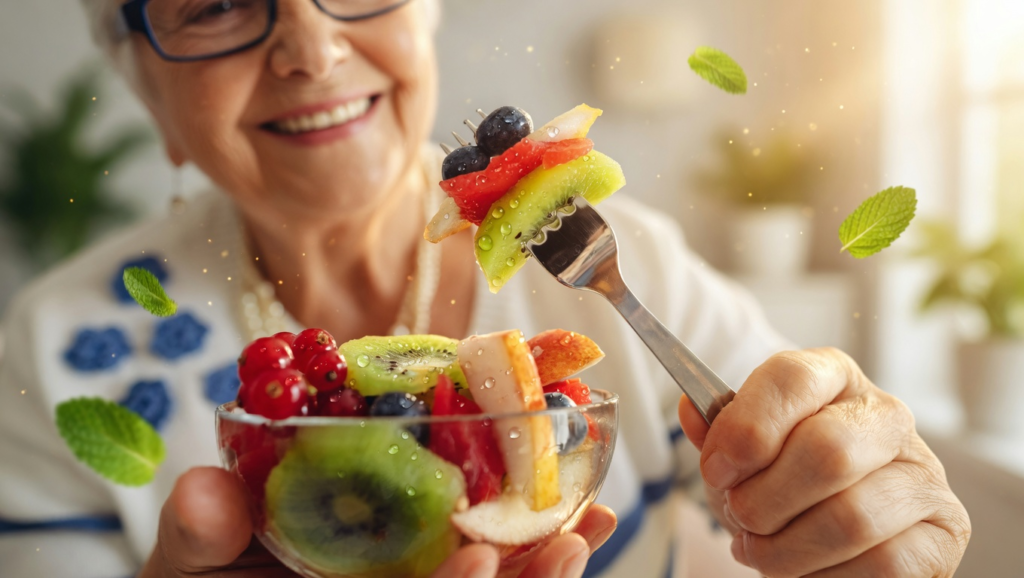
Before diving into the specifics, it is worth understanding exactly why fruits consistently rank among the most health-promoting foods in nutritional science:
What Makes Fruits Uniquely Powerful:
| Component | Function in the Body | Found In |
|---|---|---|
| Dietary fiber | Feeds gut bacteria, slows sugar absorption, promotes satiety | All whole fruits |
| Antioxidants | Neutralize free radicals, reduce inflammation | Berries, citrus, tropical fruits |
| Vitamins | Support immune function, energy metabolism, skin health | Wide variety across all fruits |
| Minerals | Regulate blood pressure, muscle function, bone density | Bananas, avocados, dried fruits |
| Phytochemicals | Anti-cancer properties, hormonal regulation, liver support | Colorful fruits of all kinds |
| Water content | Hydration, kidney function, skin elasticity | Most fresh fruits — 80-95% water |
| Natural sugars + fiber | Sustained energy without blood sugar spikes | Whole fruits vs processed juice |
Not all fruits deliver equal nutritional value — understanding what separates genuinely beneficial fruits from the rest is the foundation of smart fruit consumption.
Criterion 1 — Nutrient Density:
Nutrient density refers to the amount of beneficial nutrients delivered per calorie. The best fruits for health benefits pack vitamins, minerals, antioxidants, and fiber into a relatively small caloric package.
| Fruit | Calories per 100g | Vitamin C | Fiber | Antioxidant Score |
|---|---|---|---|---|
| Guava | 68 | 228mg (254% DV) | 5.4g | Very High |
| Kiwi | 61 | 93mg (103% DV) | 3g | High |
| Blueberry | 57 | 9.7mg | 2.4g | Extremely High |
| Papaya | 43 | 62mg (69% DV) | 1.8g | High |
| Strawberry | 32 | 59mg (66% DV) | 2g | High |
| Mango | 60 | 36mg (40% DV) | 1.6g | Moderate-High |
| Apple | 52 | 4.6mg | 2.4g | Moderate |
Criterion 2 — Glycemic Index:
The glycemic index (GI) measures how quickly a food raises blood sugar. The best fruits for health benefits tend to have a low to moderate GI, providing sustained energy rather than sharp spikes and crashes.
| GI Range | Category | Examples |
|---|---|---|
| Below 55 | Low GI — ideal | Apples, pears, cherries, guava, berries |
| 55-70 | Moderate GI — good in moderation | Mangoes, pineapple, papaya |
| Above 70 | High GI — eat smaller portions | Watermelon, dates, ripe bananas |
Criterion 3 — Antioxidant Content:
Free radicals are unstable molecules that damage cells and accelerate aging and disease. Antioxidants in fruits neutralize these molecules — making antioxidant-rich fruits among the most powerful preventive health foods available.
The rule of thumb: the more intensely colored the fruit, the higher its antioxidant content. Deep purples, rich reds, bright oranges, and vibrant greens all signal high phytonutrient density.
These are the fruits that consistently rank highest across multiple nutritional metrics — not just one or two vitamins, but comprehensive nutritional profiles that support whole-body health.
Guava — The Vitamin C Champion:
| Nutrient | Amount per 100g | % Daily Value |
|---|---|---|
| Vitamin C | 228mg | 254% |
| Fiber | 5.4g | 19% |
| Folate | 49mcg | 12% |
| Potassium | 417mg | 9% |
| Vitamin A | 624 IU | 12% |
Guava delivers more vitamin C per gram than any other common fruit — including oranges. Its high fiber content also makes it exceptional for digestive health and blood sugar regulation.
Blueberries — The Antioxidant Powerhouse:
Blueberries contain some of the highest levels of anthocyanins — the flavonoids responsible for their deep blue color and their exceptional anti-inflammatory and cognitive benefits. Regular consumption has been linked to improved memory, reduced blood pressure, and lower risk of heart disease.
Avocado — The Healthy Fat Fruit:
Unlike most fruits, avocado derives most of its calories from fat — specifically oleic acid, the same monounsaturated fat found in olive oil. This makes avocado uniquely valuable for brain health, hormone production, and absorption of fat-soluble vitamins.
| What Makes Avocado Unique | Detail |
|---|---|
| Fat type | 71% monounsaturated — heart-protective |
| Potassium | More than bananas per gram |
| Fiber | 6.7g per 100g — very high |
| Folate | Critical for cell division and pregnancy |
| Vitamin K | Important for bone health and blood clotting |
Kiwi — The Sleep and Immunity Booster:
Research has shown that eating two kiwis before bed for four weeks significantly improved sleep onset, duration, and quality in adults with sleep difficulties. Kiwi is also one of the few fruits that contains both vitamin C and vitamin K in significant amounts alongside serotonin precursors.
Pomegranate — The Inflammation Fighter:
Pomegranate contains punicalagins — antioxidants so powerful they are found almost exclusively in this fruit. Studies show pomegranate juice reduces inflammatory markers, lowers blood pressure, and may have anti-cancer properties.
Papaya — The Digestive Enzyme Fruit:
Papaya contains papain — a proteolytic enzyme that breaks down protein more efficiently than the body’s own digestive enzymes. This makes papaya uniquely effective for digestive health, bloating reduction, and nutrient absorption optimization.
Banana — The Energy and Recovery Fruit:
Ripe bananas provide quick-acting natural sugars alongside potassium and vitamin B6 — making them one of the most effective natural pre- and post-workout fruits. Their convenience and palatability also make them one of the easiest fruits to eat consistently.
Tropical fruits deserve special attention as some of the most nutritionally dense and health-promoting options available — yet they are often underrepresented in mainstream nutrition conversations.
Complete Tropical Fruit Health Profile:
| Tropical Fruit | Key Nutrients | Primary Health Benefit | Best Time to Eat |
|---|---|---|---|
| Mango | Vitamin C, A, B6, folate | Immunity, skin health, digestion | Morning or pre-workout |
| Papaya | Vitamin C, papain, folate | Digestion, anti-inflammation | Morning on empty stomach |
| Pineapple | Bromelain, vitamin C, manganese | Digestion, anti-inflammation, joints | After meals |
| Guava | Vitamin C, fiber, lycopene | Immunity, blood sugar, skin | Anytime |
| Dragon fruit | Fiber, antioxidants, iron | Gut health, immunity, energy | Morning |
| Jackfruit | Protein, potassium, B vitamins | Energy, heart health, digestion | As a meal component |
| Durian | Healthy fats, B vitamins, iron | Energy, bone health, mood | In moderation |
| Rambutan | Vitamin C, copper, fiber | Immunity, skin, digestion | Anytime |
Different fruits excel at supporting different health goals. Matching fruit choices to personal health priorities is one of the most effective ways to maximize the benefits of fruit consumption.
For Immune System Support:
| Fruit | Key Immune Nutrient | How It Helps |
|---|---|---|
| Guava | Vitamin C (254% DV) | Stimulates white blood cell production |
| Kiwi | Vitamin C + E | Dual antioxidant protection |
| Papaya | Vitamin C + A | Mucosal membrane protection |
| Elderberry | Anthocyanins | Reduces duration of cold and flu |
| Citrus fruits | Vitamin C, flavonoids | Classic immune support |
For Heart Health:
| Fruit | Key Cardiac Nutrient | Mechanism |
|---|---|---|
| Pomegranate | Punicalagins | Reduces oxidation of LDL cholesterol |
| Blueberries | Anthocyanins | Reduces blood pressure and inflammation |
| Avocado | Monounsaturated fats | Improves HDL-to-LDL ratio |
| Banana | Potassium | Counteracts sodium’s effect on blood pressure |
| Grapes | Resveratrol | Protects arterial lining |
For Digestive Health:
| Fruit | Key Digestive Component | Benefit |
|---|---|---|
| Papaya | Papain enzyme | Breaks down protein efficiently |
| Pineapple | Bromelain enzyme | Reduces gut inflammation |
| Kiwi | Actinidin enzyme | Improves protein digestion |
| Banana (slightly unripe) | Resistant starch | Feeds beneficial gut bacteria |
| Prunes | Sorbitol + fiber | Natural constipation relief |
For Blood Sugar Management:
| Fruit | Glycemic Index | Why It Works |
|---|---|---|
| Berries | Very low (25-40) | High fiber slows sugar absorption |
| Guava | Low (12-24) | Fiber content offsets natural sugars |
| Apple | Low (36) | Pectin fiber regulates glucose |
| Pear | Low (38) | Fructose metabolized differently |
| Grapefruit | Low (25) | Naringenin improves insulin sensitivity |
For Skin Health:
| Fruit | Skin Nutrient | Benefit |
|---|---|---|
| Mango | Vitamin A + C | Collagen production, cell turnover |
| Watermelon | Lycopene, hydration | UV protection, skin hydration |
| Strawberry | Vitamin C, ellagic acid | Brightening, anti-aging |
| Avocado | Vitamin E, healthy fats | Moisture barrier, elasticity |
| Kiwi | Vitamin C + E | Collagen synthesis, antioxidant protection |
Strategic fruit combinations can amplify nutritional absorption and make your daily fruit intake significantly more effective.
Vitamin C + Iron Absorption:
Pairing vitamin C-rich fruits with iron-rich foods dramatically increases non-heme iron absorption — critical for those at risk of anemia:
Fat-Soluble Vitamins + Healthy Fats:
Vitamins A, D, E, and K require fat for absorption. Pairing carotenoid-rich fruits with avocado significantly improves nutrient uptake:
Combinations to Approach Mindfully:
| Combination | Potential Issue | Better Approach |
|---|---|---|
| High-sugar fruit + more sugar | Blood sugar spike | Pair sweet fruits with protein or fat |
| Fruits immediately after heavy meal | Fermentation and bloating for some | Eat fruits 30 minutes before meals |
| Fruit juice instead of whole fruit | Fiber removed, sugar concentrated | Always choose whole fruit over juice |
Timing fruit consumption strategically around your daily routine can enhance the specific benefits you are looking to get:
Fruit Timing Guide:
| Time of Day | Best Fruits | Reason |
|---|---|---|
| Morning (empty stomach) | Papaya, watermelon, apple | Optimal enzyme activity and hydration |
| Pre-workout (30-60 min before) | Banana, mango, dates | Quick energy from natural sugars |
| Post-workout | Banana, pineapple, berries | Potassium replenishment, anti-inflammation |
| Mid-morning snack | Apple, pear, guava | Sustained energy, fiber for satiety |
| Afternoon | Berries, kiwi, citrus | Antioxidant boost and mental clarity |
| Before bed | Kiwi, tart cherry | Serotonin and melatonin support for sleep |
| Avoid: right after large meals | Any fruit | Can cause fermentation and bloating for some |
Knowing which fruits are best is only half the equation — the other half is building a realistic, enjoyable habit of actually eating them consistently.
Strategy 1 — The Two-Fruit Minimum Rule: Commit to eating at least two different fruits every day. Variety ensures a broader spectrum of nutrients and prevents taste fatigue.
Strategy 2 — Prepare for Convenience:
| Preparation Method | Time Required | Benefit |
|---|---|---|
| Pre-cut fruits in clear containers in the fridge | 15 min on weekends | Visible and ready to grab |
| Frozen fruit for smoothies | 5 min prep | Always available, no waste |
| Fruit bowl on the counter | 2 min | Visual cue makes fruit the default snack |
| Small portions in lunch bag | 3 min | Guaranteed midday consumption |
Strategy 3 — Seasonal and Local First:
Eating fruits in season locally typically means higher nutrient content, better flavor, and lower cost — making consistency far easier:
| Season | Typical Peak Fruits | Key Benefit |
|---|---|---|
| Rainy season | Mangosteen, rambutan, durian | Higher antioxidant content when fresh |
| Dry season | Mango, watermelon, papaya | Peak sweetness and nutrition |
| Year-round | Banana, guava, papaya | Reliable nutritional base |
Strategy 4 — Make Fruit the Default: Replace one processed snack per day with whole fruit. This single change, done consistently, has a profound cumulative impact on health over months and years.
For a complete guide on maintaining body health through all pillars, visit our main resource on How to Maintain Body Health: A Complete Guide to Living Healthy!
The most nutritionally comprehensive fruits for overall health benefits include guava for its unmatched vitamin C content, blueberries for antioxidant power, avocado for healthy fats and potassium, kiwi for immune and sleep support, papaya for digestive enzymes, pomegranate for anti-inflammatory properties, and banana for energy and recovery.
Most nutritional guidelines recommend 2-3 servings of fruit per day for adults — where one serving is roughly 1 medium fruit or 1 cup of cut fruit. Prioritize variety across different colors to ensure the broadest spectrum of phytonutrients and health benefits.
Whole fruits are significantly better than fruit juice for health benefits. Juicing removes most of the fiber, concentrates the natural sugars, and dramatically increases the glycemic impact. The fiber in whole fruits is what makes fruit beneficial for blood sugar, digestion, and satiety — without it, fruit juice is essentially flavored sugar water with some vitamins.
The best fruits for people managing blood sugar are low-glycemic options: berries of all types, guava, apples, pears, and grapefruit. These deliver excellent nutrition while having minimal impact on blood glucose due to their high fiber content. Always pair sweet fruits with a source of protein or healthy fat to further slow sugar absorption.
For most healthy adults, eating 2-4 servings of whole fruit per day is well within a healthy range and not associated with any negative health effects. Concerns about excessive fruit consumption typically arise with very large quantities — 8-10+ servings daily — or when consuming large amounts of fruit juice. The fiber in whole fruit naturally limits overconsumption.
Morning on an empty stomach is excellent for easily digested fruits like papaya and watermelon. Pre-workout, banana or mango provides quick natural energy. Kiwi and tart cherry consumed before bed support sleep quality. The most important principle is consistency — eating fruits regularly at any time of day delivers far more benefit than perfect timing with inconsistent consumption.
Tropical fruits are not universally better, but many are exceptionally nutrient-dense — particularly in vitamin C, enzymes, and unique phytonutrients not found in temperate fruits. The best approach is to eat a variety of both tropical and temperate fruits to access the broadest spectrum of nutrients. Seasonal and locally grown fruits of any type tend to deliver superior nutritional quality compared to imported options that were picked before peak ripeness.