When thinking about best fruits for specific health goals,
immunity support is always the top priority for most people. One of the most practical applications of nutritional knowledge is understanding that different fruits excel at supporting different health outcomes. Rather than eating fruit randomly and hoping for the best, understanding the best fruits for specific health goals allows you to make targeted choices that directly support whatever aspect of your health needs the most attention right now.
This complete guide breaks down the best fruits for specific health goals across 6 major health categories — immune system support, heart health, digestive health, blood sugar management, skin health, and weight management — with detailed explanations of the mechanisms, practical fruit recommendations, and simple strategies for incorporating the right fruits into your daily routine! These five fruits represent the strongest choices when selecting the best fruits for specific health goals related to heart health.
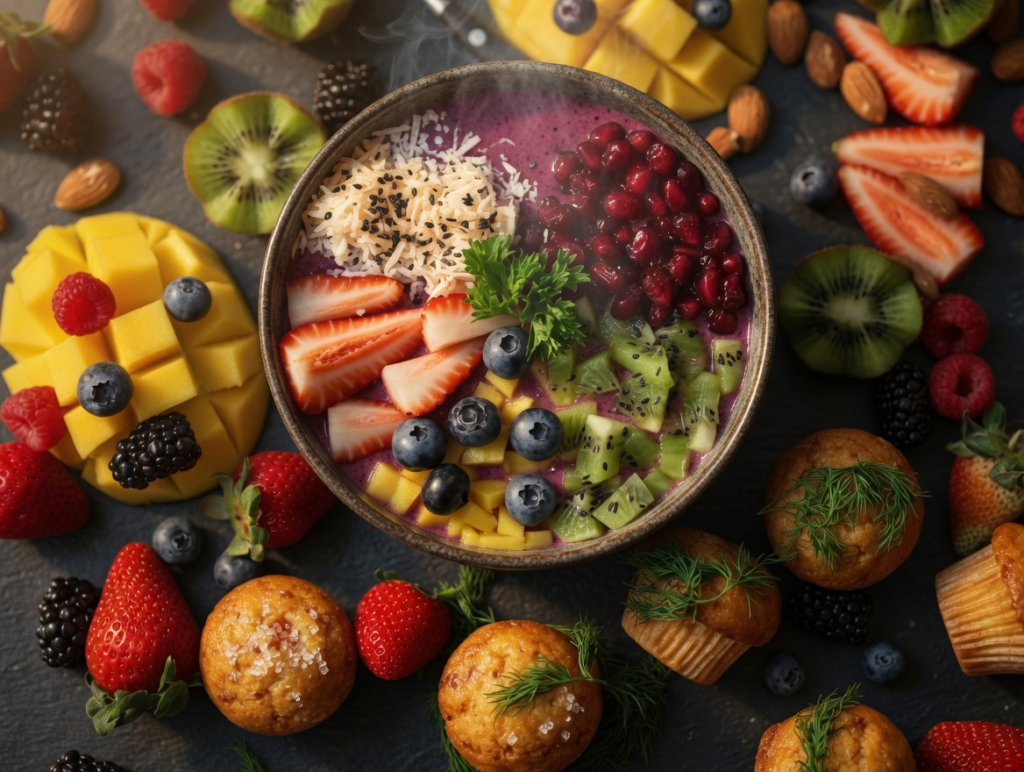
Before diving into the specific recommendations, it is worth understanding why a targeted approach to the best fruits for specific health goals produces better outcomes than simply eating more fruit in general:
Generic vs Targeted Fruit Consumption:
| Approach | Strategy | Outcome |
|---|---|---|
| Generic — eat any fruit | Random selection | Good general nutrition |
| Informed — eat variety | Color-based rotation | Better micronutrient coverage |
| Targeted — match to goals | Goal-specific selection | Maximum support for priority areas |
| Optimal — combine all three | Variety + targeting | Comprehensive health support |
The targeted approach does not mean eating only one or two fruits obsessively — it means making informed choices that prioritize fruits most relevant to your current health priorities while still maintaining the variety that provides broad nutritional coverage.
A strong immune system is built and maintained through consistent nutritional support — and certain fruits deliver the specific nutrients that drive immune function far more effectively than others.
| Immune Function | Nutrient Required | How Fruits Deliver It |
|---|---|---|
| White blood cell production | Vitamin C | Guava, kiwi, papaya, citrus |
| Mucosal barrier integrity | Vitamin A | Mango, papaya, apricot |
| Antioxidant protection of immune cells | Vitamin C + E + polyphenols | Berries, kiwi, citrus |
| Gut immunity (70% of total) | Prebiotic fiber + polyphenols | All whole fruits |
| Anti-inflammatory regulation | Anthocyanins, quercetin | Blueberries, pomegranate |
| T-cell activation | Vitamin D + zinc | Avocado, blackberries |
Rank 1 — Guava: At 254% of the daily vitamin C value per 100 grams, guava is the single most powerful immune-supporting fruit available. Vitamin C directly stimulates the production and function of white blood cells — the immune system’s primary defense force.
Rank 2 — Kiwi: Kiwi delivers both vitamin C and vitamin E — two antioxidants that work synergistically to protect immune cells from oxidative damage. Research shows that eating two kiwis daily significantly reduces the severity and duration of upper respiratory infections in adults.
Rank 3 — Elderberry: Elderberry contains extraordinarily high concentrations of anthocyanins that have been shown in clinical trials to reduce the duration of influenza by an average of 4 days compared to placebo. It is one of the most evidence-backed fruits for acute immune support.
Rank 4 — Papaya: Papaya delivers both vitamin C and vitamin A — a combination that supports both the adaptive immune response and the mucosal barriers that prevent pathogens from entering the body in the first place.
Rank 5 — Pomegranate: Pomegranate’s punicalagins reduce inflammatory markers that, when chronically elevated, suppress immune function. By reducing baseline inflammation, pomegranate creates a more favorable environment for optimal immune response.
Practical Immune Support Fruit Plan:
| Day | Morning | Afternoon | Key Benefit |
|---|---|---|---|
| Monday | Guava | Kiwi | Maximum vitamin C |
| Tuesday | Papaya | Pomegranate | Vitamin A + anti-inflammation |
| Wednesday | Guava | Elderberry | Vitamin C + anthocyanins |
| Thursday | Kiwi | Blueberries | Dual antioxidant protection |
| Friday | Papaya | Guava | Comprehensive immune coverage |
Cardiovascular disease remains the leading cause of death globally — and the evidence connecting fruit consumption to reduced cardiovascular risk is among the strongest in nutritional epidemiology.
| Cardiovascular Mechanism | How Fruits Help | Key Fruits |
|---|---|---|
| Reduce blood pressure | Potassium counteracts sodium’s effect | Banana, avocado, guava |
| Reduce LDL oxidation | Antioxidants prevent LDL from becoming dangerous | Pomegranate, blueberries |
| Improve arterial flexibility | Flavonoids improve endothelial function | Citrus, berries, grapes |
| Reduce inflammation | Polyphenols lower CRP and inflammatory markers | Blueberries, pomegranate |
| Lower total cholesterol | Pectin fiber binds cholesterol in the gut | Apple, pear, citrus |
| Reduce triglycerides | Fiber and antioxidants improve lipid profile | Berries, avocado |
When it comes to best fruits for specific health goals
for the heart, the evidence is remarkably clear and consistent.
Rank 1 — Pomegranate: Clinical research shows that 150ml of pomegranate juice daily for just two weeks measurably reduces systolic blood pressure and prevents the oxidation of LDL cholesterol — the process that makes LDL dangerous to arterial walls.
Rank 2 — Blueberries: Regular blueberry consumption is associated with a 20% reduction in heart attack risk in women, according to large-scale epidemiological research. The mechanism involves anthocyanins that both reduce blood pressure and improve arterial flexibility.
Rank 3 — Avocado: Avocado’s monounsaturated fat content improves the ratio of HDL to LDL cholesterol while its potassium content — higher than banana per gram — helps regulate blood pressure. It is also one of the few fruits that actively reduces triglycerides.
Rank 4 — Apple: The pectin fiber in apples binds to cholesterol in the digestive tract and removes it from the body before it can be absorbed — a mechanism that consistently produces measurable reductions in total and LDL cholesterol with regular consumption.
Rank 5 — Citrus Fruits: Hesperidin and naringenin — flavonoids found predominantly in oranges and grapefruit — improve the flexibility and function of arterial walls, reduce blood pressure, and decrease inflammatory markers associated with cardiovascular risk.
Heart Health Fruit Priority List:
| Fruit | Primary Cardiac Benefit | Daily Amount | Best Form |
|---|---|---|---|
| Pomegranate | LDL oxidation prevention | 100-150ml juice or 1 cup seeds | Fresh seeds or pure juice |
| Blueberries | Blood pressure, arterial function | 1 cup (150g) | Fresh or frozen |
| Avocado | Cholesterol ratio, blood pressure | Half to one whole | Fresh |
| Apple | Cholesterol reduction via pectin | 1 medium with skin | Whole with skin |
| Citrus | Arterial flexibility | 1 medium orange or grapefruit | Whole fruit |

The best fruits for specific health goals around digestion work through multiple mechanisms simultaneously. A healthy digestive system is the foundation of nutrient absorption, immune function, and even mental health. Certain fruits are remarkably effective at supporting every layer of digestive function simultaneously.
| Digestive Function | Best Fruit | Mechanism |
|---|---|---|
| Protein digestion | Papaya | Papain enzyme breaks down protein peptides |
| Gut inflammation | Pineapple | Bromelain reduces gut inflammatory markers |
| Beneficial bacteria growth | Apple, banana | Pectin and resistant starch feed Lactobacillus |
| Constipation relief | Kiwi, prune | Insoluble fiber and sorbitol stimulate motility |
| Gut lining integrity | Blueberries, pomegranate | Polyphenols reduce intestinal permeability |
| Bloating reduction | Papaya, pineapple | Digestive enzymes prevent fermentation |
| Microbiome diversity | Variety of fruits | Different fibers feed different bacteria |
Rank 1 — Papaya: The papain enzyme in papaya is arguably the most powerful digestive tool available in the fruit kingdom. Eating papaya — ideally on an empty stomach in the morning — can significantly reduce bloating, improve protein digestion, and calm gut inflammation within days of consistent consumption.
Rank 2 — Kiwi: Two clinical trials specifically studying kiwi for digestive health found that eating two kiwis daily for four weeks significantly increased bowel movement frequency, reduced transit time, and improved stool consistency in adults with constipation — without the side effects associated with laxative medications.
Rank 3 — Apple: The pectin in apples is one of the most effective prebiotic fibers available — feeding Lactobacillus and Bifidobacterium bacteria that produce short-chain fatty acids essential for gut lining health and immune regulation. Always eat apples with the skin for maximum pectin content.
Rank 4 — Pineapple: Bromelain in pineapple reduces gut inflammation and improves protein breakdown efficiency. The highest concentration of bromelain is in the core — the tough central part most people discard — which is worth eating or juicing specifically for digestive benefits.
Rank 5 — Banana (Slightly Unripe): Slightly unripe bananas contain resistant starch — a type of fiber that passes through the small intestine undigested and feeds Faecalibacterium prausnitzii in the large intestine, one of the most beneficial gut bacteria associated with reduced intestinal inflammation and improved gut barrier function.
Selecting the best fruits for specific health goals for blood sugar management requires understanding glycemic load, not just glycemic index. Managing blood sugar is critical not just for people with diabetes — stable blood glucose is associated with consistent energy, better mood, reduced cravings, and lower long-term risk of metabolic disease for everyone.
| Factor | How It Affects Blood Sugar | Best Fruits |
|---|---|---|
| Fiber content | Slows glucose absorption significantly | Guava, apple, pear, berries |
| Glycemic index | Lower GI means slower blood sugar rise | Berries, cherries, grapefruit |
| Glycemic load | Accounts for realistic serving sizes | Most whole fruits have low GL |
| Polyphenols | Directly improve insulin sensitivity | Berries, citrus, pomegranate |
| Fructose metabolism | Metabolized differently from glucose | All whole fruits |
| Fruit | Glycemic Index | Glycemic Load | Fiber | Blood Sugar Rating |
|---|---|---|---|---|
| Cherries | 20 | 3 | 1.6g | Excellent |
| Grapefruit | 25 | 3 | 1.6g | Excellent |
| Guava | 12-24 | 2-4 | 5.4g | Excellent |
| Strawberries | 40 | 4 | 2.0g | Very Good |
| Apple | 36 | 5 | 2.4g | Very Good |
| Pear | 38 | 4 | 3.1g | Very Good |
| Blueberries | 53 | 5 | 2.4g | Good |
| Mango | 51 | 8 | 1.6g | Moderate |
| Banana (ripe) | 51 | 12 | 2.6g | Moderate |
| Watermelon | 72 | 4 | 0.4g | Low load despite high GI |
| Dates | 103 | 18 | 6.7g | Eat sparingly |
Rank 1 — Berries (all types): Berries consistently deliver the best combination of low glycemic index, meaningful fiber content, and polyphenols that directly improve insulin sensitivity. Research specifically shows that eating 150g of mixed berries with a high-carbohydrate meal reduces the postprandial blood sugar spike by up to 38% compared to eating the meal without berries.
Rank 2 — Guava: Guava’s extraordinary fiber content — 5.4g per 100g — combined with its uniquely low glycemic index makes it one of the most blood-sugar-friendly fruits available. Studies specifically on guava leaf extract show significant improvements in blood glucose control in people with type 2 diabetes.
Rank 3 — Apple: The pectin fiber in apples slows gastric emptying — meaning food leaves the stomach more slowly — which directly reduces the rate of glucose absorption into the bloodstream. Eating an apple before a carbohydrate-heavy meal consistently reduces the glycemic impact of that meal.
Rank 4 — Grapefruit: Naringenin — a flavonoid found almost exclusively in grapefruit — has been shown in research to improve insulin sensitivity through mechanisms similar to certain diabetes medications. Grapefruit also has one of the lowest glycemic loads of any fruit at just 3.
Rank 5 — Pear: Pears deliver both pectin and significant insoluble fiber — a combination that slows glucose absorption and extends the feeling of fullness well beyond the meal, helping to prevent the overeating that often follows blood sugar crashes.
The best fruits for specific health goals related to skin work from the inside out through collagen, antioxidants, and hydration. Skin health is a direct reflection of nutritional status — and certain fruits deliver the specific combination of nutrients that support collagen production, antioxidant protection, hydration, and cellular renewal from the inside out.
| Skin Function | Nutrient | Best Fruit Source |
|---|---|---|
| Collagen synthesis | Vitamin C (essential cofactor) | Guava, kiwi, strawberry, papaya |
| UV damage protection | Beta-carotene, lycopene | Mango, papaya, watermelon, guava |
| Skin hydration | Water content + electrolytes | Watermelon, cucumber fruit |
| Anti-aging antioxidants | Vitamin E, polyphenols | Avocado, blueberries, pomegranate |
| Even skin tone | Vitamin C reduces melanin | Guava, papaya, citrus |
| Cell turnover | Vitamin A | Mango, papaya, apricot |
| Moisture barrier | Essential fatty acids | Avocado |
Rank 1 — Guava: With 254% of the daily vitamin C value per serving, guava provides the raw material for collagen synthesis at a level that few foods can match. Vitamin C is not just beneficial for collagen — it is biochemically essential. Without adequate vitamin C, the body physically cannot produce collagen.
Rank 2 — Avocado: Avocado delivers vitamin E — the primary fat-soluble antioxidant that protects skin cell membranes from oxidative damage — alongside healthy fats that support the skin’s moisture barrier and help the body absorb fat-soluble skin nutrients from other foods.
Rank 3 — Papaya: Papaya delivers both vitamin C for collagen production and vitamin A for cellular renewal — a combination that supports both the production of new healthy skin cells and the protection of existing ones. Papain also has documented skin-brightening effects when applied topically.
Rank 4 — Watermelon: Watermelon’s 92% water content delivers meaningful hydration alongside lycopene — which accumulates in the skin and provides measurable protection against UV-induced damage, effectively acting as a mild internal sunscreen.
Rank 5 — Blueberries: The anthocyanins in blueberries protect collagen from degradation by neutralizing the enzymes that break it down. This collagen-preserving effect makes blueberries one of the most powerful anti-aging fruits available despite their relatively modest vitamin C content.
Understanding the best fruits for specific health goals for weight management starts with recognizing that whole fruit supports rather than hinders healthy weight. Choosing the best fruits for specific health goals starting with immunity is the smartest first step
for most people. The relationship between fruit consumption and weight management is frequently misunderstood. Whole fruits consistently support rather than hinder healthy weight — through mechanisms that make them among the most effective natural appetite management tools available.
| Mechanism | How It Works | Best Fruits |
|---|---|---|
| High volume low calorie | Physical fullness at minimal caloric cost | Watermelon, strawberries, papaya |
| Fiber-driven satiety | Slows gastric emptying, extends fullness | Apple, pear, guava |
| Blood sugar stability | Prevents cravings from glucose crashes | Berries, apple, guava |
| Replaces processed snacks | Simple substitution dramatically reduces calories | Any whole fruit |
| Water content | Contributes to daily fluid intake and satiety | Watermelon, citrus, berries |
| Fruit | Calories per Cup | Water Content | Satiety Rating | Weight Management Score |
|---|---|---|---|---|
| Watermelon | 46 | 92% | High | Excellent |
| Strawberries | 49 | 91% | High | Excellent |
| Papaya | 55 | 88% | High | Excellent |
| Cantaloupe | 54 | 90% | High | Excellent |
| Peach | 60 | 89% | High | Very Good |
| Apple | 65 | 86% | Very High | Very Good |
| Guava | 68 | 81% | Very High | Very Good |
| Pear | 98 | 84% | Very High | Good |
| Mango | 99 | 83% | Moderate | Good |
| Avocado | 234 | 73% | Very High | Good (different mechanism) |
Rank 1 — Apple: Research specifically studying apple consumption and weight management consistently shows that eating an apple before a meal reduces caloric intake at that meal by an average of 15%. The combination of fiber, water, and the physical act of chewing creates powerful satiety signals.
Rank 2 — Berries: Berries deliver the lowest calorie-to-satiety ratio of virtually any fruit category — 49 calories per cup for strawberries alongside 3g of fiber and 91% water content. Their polyphenols also interact with gut bacteria in ways that improve metabolic efficiency.
Rank 3 — Watermelon: At just 46 calories per cup, watermelon delivers the highest volume per calorie of any common fruit. Its 92% water content contributes meaningfully to daily hydration while creating physical fullness with virtually no caloric burden.
Rank 4 — Guava: Guava’s extraordinary 5.4g of fiber per 100g creates prolonged satiety that extends well beyond the meal — making it one of the most filling low-calorie foods available in any food category.
Rank 5 — Pear: Pears consistently rank among the highest-satiety fruits in research — their combination of soluble pectin and insoluble fiber creates a feeling of fullness that outlasts most other snack options at comparable caloric levels.
Understanding the best fruits for specific health goals
makes your daily fruit consumption far more intentional
and effective than random selection.
For a complete guide on the best fruits for health benefits, visit our main resource on Best Fruits for Health Benefits: 7 Complete Guides!
Guava is the most powerful immune-supporting fruit available — delivering 254% of the daily vitamin C requirement per 100 grams alongside meaningful amounts of vitamin A and polyphenols. For acute immune support during illness, elderberry has the strongest clinical evidence for reducing the duration and severity of viral infections.
Pomegranate and blueberries have the strongest research support for cardiovascular health goals. Pomegranate reduces blood pressure and prevents LDL oxidation while blueberries improve arterial flexibility and are associated with a 20% reduction in heart attack risk with regular consumption. Avocado completes a heart-health trio through cholesterol improvement and blood pressure regulation.
Yes — with thoughtful fruit selection. Berries, guava, apple, grapefruit, and pear all have low glycemic loads and high fiber content that makes them excellent choices for blood sugar management. The key is always choosing whole fruit over juice and pairing fruit with a source of protein or healthy fat to further reduce glycemic impact.
Guava for vitamin C and collagen support, avocado for vitamin E and healthy fats, and papaya for both collagen production and cellular renewal form the most powerful daily trio for skin health goals. Adding blueberries for collagen preservation and watermelon for hydration and UV protection creates a comprehensive skin-focused fruit routine.

Prioritize fruits that appear on multiple goal lists — guava supports immune function, blood sugar management, skin health, and weight management simultaneously. Blueberries support heart health, brain function, blood sugar, and skin. Avocado supports heart health, skin, and weight management. Building your daily fruit intake around these multi-goal fruits first, then adding goal-specific options, creates the most comprehensive health support with the fewest servings needed.