If there is one category of food that nutritional science has consistently and overwhelmingly supported across decades of research, it is whole fruits. Understanding fruits health benefits goes far beyond knowing that fruits contain vitamins — it is about appreciating how the complex combination of fiber, antioxidants, phytonutrients, water, and natural sugars work together as a complete nutritional package that no supplement or processed food can replicate.
This article explores 7 powerful reasons why fruits health benefits place them among the most potent health-promoting foods available — backed by biology, nutritional science, and practical evidence that shows up in the bodies of people who eat them consistently every single day!
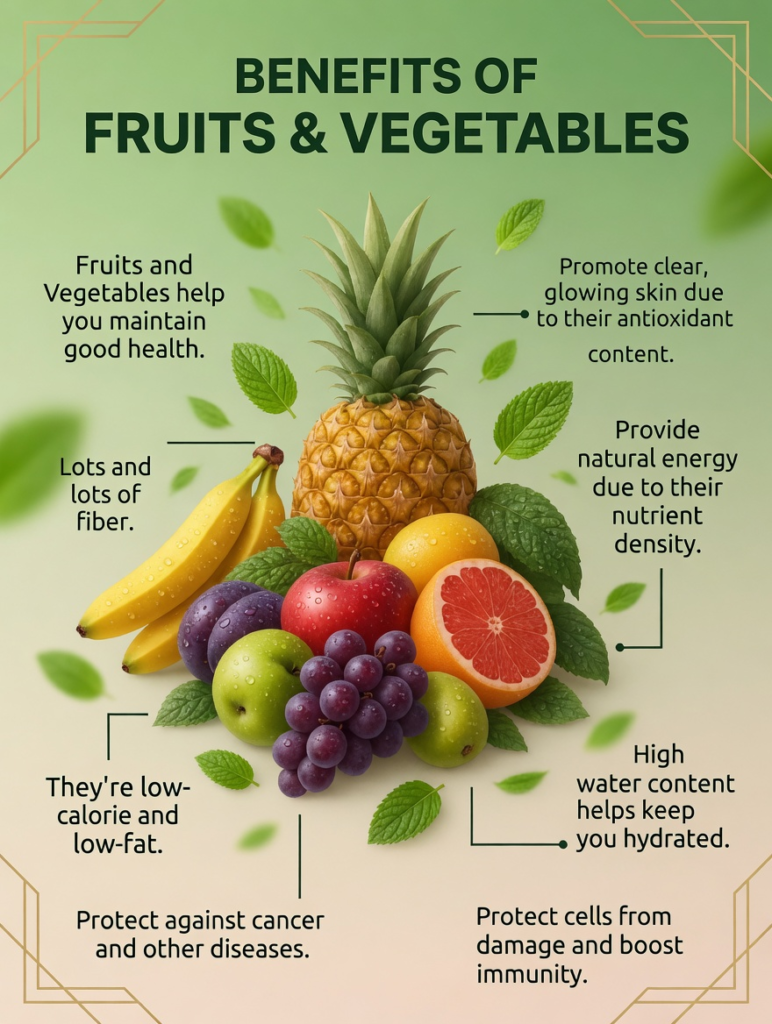
Before diving into the seven reasons, it is worth understanding what makes the fruits health benefits so comprehensive and why eating the whole fruit — not juice, not supplements, not extracts — is what actually delivers results.
What Makes Whole Fruits Uniquely Powerful:
| Component | What It Does | Why It Matters |
|---|---|---|
| Fiber | Slows sugar absorption, feeds gut bacteria | Prevents blood sugar spikes, supports digestion |
| Antioxidants | Neutralizes free radicals | Reduces inflammation and aging |
| Water content | 80-95% water in most fruits | Hydration from food sources |
| Phytonutrients | Plant-specific protective compounds | Anti-cancer, anti-inflammatory, hormonal support |
| Natural sugars + fiber | Energy delivery system | Sustained energy without crashes |
| Vitamins | Cofactors for hundreds of biological reactions | Immune function, energy, repair |
| Minerals | Electrolyte balance, enzyme activation | Heart function, muscle contraction, bone health |
The reason whole fruits are so much more powerful than supplements is something scientists call the “food matrix effect” — nutrients in whole foods interact synergistically with each other in ways that isolated supplements simply cannot replicate.
One of the most well-established fruits health benefits is the extraordinary antioxidant protection they provide. Free radicals are unstable molecules produced by normal metabolism, pollution, stress, and poor diet — and when they accumulate faster than the body can neutralize them, the result is oxidative stress, which accelerates aging and drives the development of chronic diseases.
How Antioxidants in Fruits Work:
| Type of Antioxidant | Fruit Sources | Primary Protection |
|---|---|---|
| Vitamin C | Guava, kiwi, strawberry, citrus | Immune cells, collagen, skin |
| Anthocyanins | Blueberries, grapes, blackberries | Brain, heart, blood vessels |
| Lycopene | Watermelon, guava, tomato | Prostate, cardiovascular |
| Beta-carotene | Mango, papaya, apricot | Eye health, immune function |
| Quercetin | Apples, grapes, citrus | Anti-inflammatory, anti-histamine |
| Ellagic acid | Pomegranate, strawberries | Anti-cancer, skin protection |
| Resveratrol | Grapes, blueberries | Cardiovascular, longevity |
The Color Rule for Maximum Antioxidant Benefit:
The pigments that give fruits their vibrant colors are themselves antioxidants — which means eating a variety of colorful fruits is the most practical and enjoyable way to get broad antioxidant coverage:
| Color | Antioxidant | Example Fruits | Body Benefit |
|---|---|---|---|
| Deep red | Lycopene, anthocyanins | Watermelon, pomegranate | Heart, prostate, inflammation |
| Purple-blue | Anthocyanins, resveratrol | Blueberries, grapes | Brain, memory, blood pressure |
| Orange-yellow | Beta-carotene, vitamin C | Mango, papaya, citrus | Eyes, immunity, skin |
| Green | Chlorophyll, vitamin K, folate | Kiwi, avocado | Blood, bones, liver |
| White-pale | Quercetin, allicin | Pear, lychee, banana | Heart, anti-inflammatory |
Eating one fruit from each color group every day is one of the simplest and most powerful nutritional strategies available — no calorie counting, no complex planning required.
The connection between fruits health benefits and immune function is one of the most clinically significant and practically relevant relationships in nutrition. A strong immune system does not happen by accident — it is built and maintained through consistent nutritional support, and fruits are one of the most important contributors to that process.
How Fruits Support Every Layer of Immune Defense:
| Immune Layer | How Fruits Help | Key Fruits |
|---|---|---|
| Physical barriers (skin, mucous membranes) | Vitamin A maintains mucosal integrity | Mango, papaya, apricot |
| Innate immunity (first responders) | Vitamin C stimulates white blood cell production | Guava, kiwi, citrus |
| Adaptive immunity (targeted defense) | Zinc and vitamin E support T-cell function | Avocado, blackberries |
| Anti-inflammatory regulation | Polyphenols prevent immune overreaction | Blueberries, pomegranate |
| Gut immunity (70% of immune system) | Fiber feeds beneficial gut bacteria | All whole fruits |
Vitamin C — The Immune Superstar of Fruits Health Benefits:
Vitamin C is perhaps the single most studied nutrient in the context of immunity. Here is what the research actually shows:
| Effect | Evidence | Best Fruit Sources |
|---|---|---|
| Reduces cold duration | Up to 14% shorter in adults | Guava (254% DV), kiwi (103% DV) |
| Stimulates white blood cell production | Well-established | Strawberry, papaya, citrus |
| Acts as antioxidant protecting immune cells | Strong evidence | All vitamin C-rich fruits |
| Supports skin barrier against pathogens | Good evidence | Bell pepper fruits, kiwi |
Cardiovascular disease remains the leading cause of death globally — and one of the most powerful and consistent findings in nutritional epidemiology is that regular fruit consumption is strongly associated with significantly reduced cardiovascular risk.
Multiple Mechanisms Through Which Fruits Protect the Heart:
Reducing Blood Pressure:
Potassium — abundant in bananas, avocados, and pomegranates — counteracts the blood-pressure-raising effect of sodium by relaxing blood vessel walls. This is one of the most well-established fruits health benefits for cardiovascular health.
| Fruit | Potassium per 100g | Blood Pressure Effect |
|---|---|---|
| Avocado | 485mg | Strongly reduces blood pressure |
| Guava | 417mg | Significant reduction |
| Banana | 358mg | Moderate consistent reduction |
| Pomegranate | 236mg | Moderate reduction |
| Kiwi | 312mg | Consistent reduction |
Reducing LDL Cholesterol Oxidation:
Oxidized LDL cholesterol — not simply elevated LDL — is what causes arterial plaque formation and atherosclerosis. The antioxidants in fruits, particularly polyphenols, prevent this oxidation process.

Improving Arterial Flexibility:
Flavonoids in fruits, particularly in berries and citrus, improve the flexibility and function of arterial walls — reducing the risk of hypertension, stroke, and heart attack over time.
A healthy digestive system is not just about comfort — it is the foundation of nutrient absorption, immune function, mental health, and metabolic regulation. The fruits health benefits for digestion are both immediate and profoundly long-term.
How Fruits Support Every Aspect of Digestive Health:
| Digestive Benefit | Mechanism | Best Fruits |
|---|---|---|
| Feeds beneficial gut bacteria | Soluble fiber acts as prebiotic | Apples, bananas, berries |
| Reduces constipation | Insoluble fiber adds bulk to stool | Prunes, pears, kiwi |
| Reduces bloating | Digestive enzymes break down food | Papaya (papain), pineapple (bromelain) |
| Supports gut lining integrity | Polyphenols reduce gut inflammation | Blueberries, pomegranate |
| Speeds intestinal transit | Fiber and water content | Most whole fruits |
The Gut Microbiome Connection:
Research in the last decade has revealed that the gut microbiome — the trillions of bacteria living in the digestive tract — has profound effects on immunity, mood, weight regulation, and even cognitive function. The fiber in fruits is the primary food source for the beneficial bacteria in this ecosystem.
| Fruit Fiber Type | Bacteria It Feeds | Health Outcome |
|---|---|---|
| Pectin (apples, citrus peel) | Lactobacillus, Bifidobacterium | Immune support, reduced inflammation |
| Resistant starch (unripe banana) | Faecalibacterium, Roseburia | Gut lining protection, butyrate production |
| Inulin (garlic fruit) | Bifidobacterium | Digestive regularity, calcium absorption |
| Polyphenols (berries, pomegranate) | Akkermansia | Metabolic health, gut barrier function |
The brain-gut-nutrition connection is one of the most exciting frontiers in health science — and fruits health benefits for cognitive function and mental wellbeing are increasingly well-supported by research.
How Fruits Support Brain Health:
| Mechanism | Effect | Best Fruits |
|---|---|---|
| Reduce neuroinflammation | Protect neurons from inflammatory damage | Blueberries, pomegranate, grapes |
| Support neurotransmitter production | Vitamin B6 needed for serotonin and dopamine | Banana, avocado, mango |
| Improve blood flow to the brain | Flavonoids dilate blood vessels | Citrus, berries, dark grapes |
| Protect against cognitive decline | Anthocyanins accumulate in brain regions | Blueberries, blackberries |
| Support sleep quality | Serotonin precursors and melatonin | Kiwi, tart cherry, banana |
The Blueberry-Brain Research:
Blueberries have the most compelling research of any fruit for cognitive health. Studies show that regular blueberry consumption over 12 weeks significantly improved memory performance in older adults — with brain imaging showing increased activity in areas associated with memory and learning. The mechanism appears to be the accumulation of anthocyanins in the hippocampus — the brain’s primary memory center.
One of the most misunderstood aspects of fruits health benefits is the relationship with blood sugar. Many people avoid fruit out of concern for its natural sugar content — but this concern fundamentally misunderstands how whole fruit affects blood glucose compared to processed foods.
Why Whole Fruits Do Not Spike Blood Sugar Like Processed Foods:
| Factor | Processed Sugar | Sugar in Whole Fruit |
|---|---|---|
| Fiber present | None | Yes — slows absorption significantly |
| Absorption rate | Extremely fast | Gradual and controlled |
| Glycemic response | Sharp spike then crash | Gradual rise then gentle decline |
| Insulin requirement | High | Moderate |
| Satiety effect | Low | High |
| Micronutrients | None | Rich in vitamins, minerals, antioxidants |
Fruits That Actively Help Regulate Blood Sugar:
| Fruit | Mechanism | Evidence Level |
|---|---|---|
| Berries | Low GI + polyphenols improve insulin sensitivity | Strong |
| Apple | Pectin fiber slows gastric emptying | Strong |
| Guava | Fiber + unique polyphenols reduce postprandial glucose | Moderate-Strong |
| Grapefruit | Naringenin improves insulin sensitivity | Moderate |
| Avocado | Healthy fats slow carbohydrate absorption | Strong |
The relationship between fruits health benefits and weight management is counterintuitive to many people — yet the evidence consistently shows that populations who eat more whole fruit tend to have healthier body weights, not higher ones.
Why Fruits Support Rather Than Hinder Healthy Weight:
High Volume, Low Calorie Density:
Most fruits provide significant volume and water content — creating physical fullness — at very low caloric cost. This makes fruits one of the most effective natural tools for managing caloric intake without restriction:
| Fruit | Calories per Cup | Water Content | Satiety Rating |
|---|---|---|---|
| Watermelon | 46 | 92% | High |
| Strawberries | 49 | 91% | High |
| Cantaloupe | 54 | 90% | High |
| Peach | 60 | 89% | High |
| Apple | 65 | 86% | Very High |
| Mango | 99 | 83% | Moderate-High |
Fiber-Driven Satiety:
The soluble fiber in fruits — particularly pectin in apples and pears — forms a gel-like substance in the digestive tract that slows gastric emptying, maintains blood sugar stability, and significantly extends the feeling of fullness after eating.
Replacing Processed Snacks:
The most powerful weight management fruits health benefits comes not from any specific metabolic effect but from the simple substitution effect — replacing calorie-dense, nutrient-poor processed snacks with whole fruits dramatically reduces overall caloric intake while increasing nutritional quality simultaneously.
For a complete guide on maintaining body health through all nutritional pillars, visit our main resource on Best Fruits for Health Benefits: 7 Complete Guides!
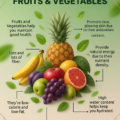
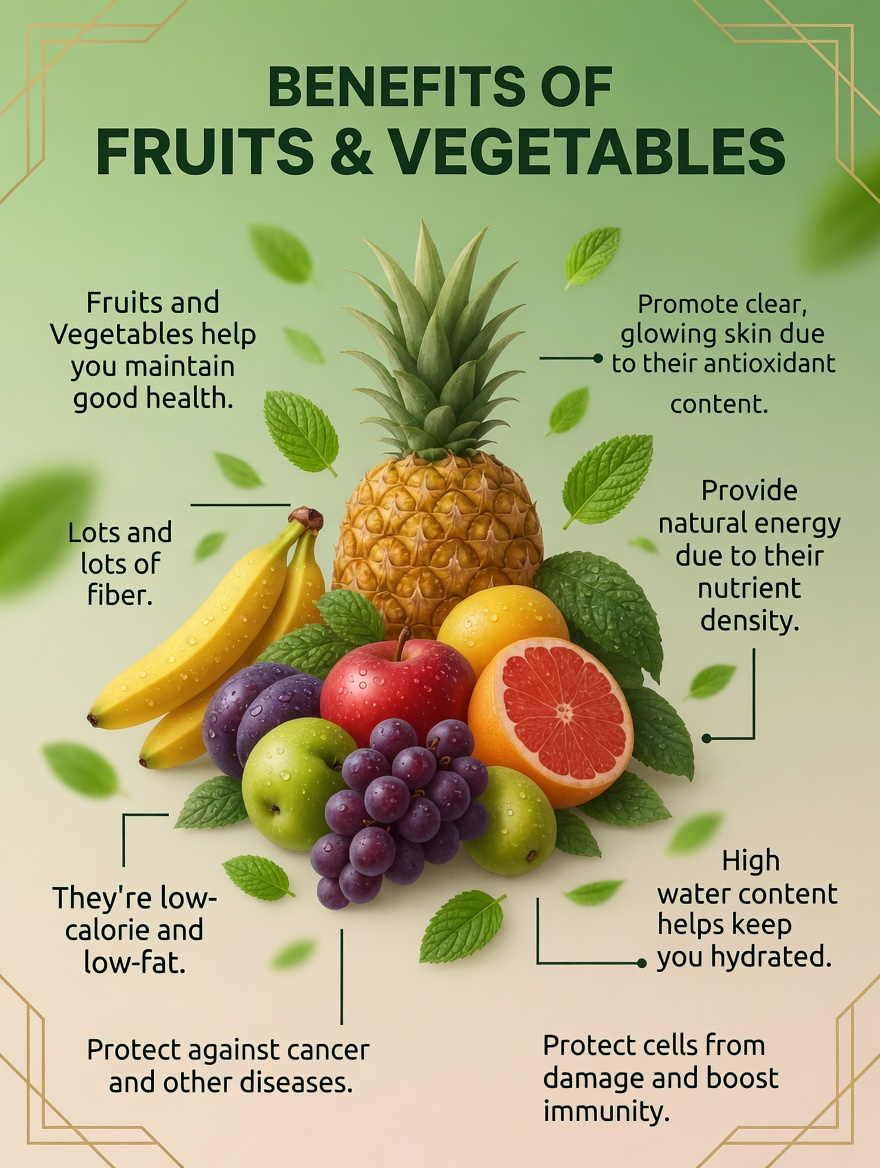
The most significant fruits health benefits include powerful antioxidant protection that reduces chronic disease risk, immune system support through vitamins C and A, cardiovascular protection through potassium and polyphenols, digestive health through fiber and natural enzymes, brain function support through anthocyanins and B vitamins, blood sugar regulation through fiber, and weight management support through high volume low calorie density.
Most nutritional guidelines recommend 2-3 servings of whole fruit per day for adults to capture meaningful fruits health benefits. One serving equals approximately one medium fruit or one cup of cut fruit. Prioritizing variety across different colors ensures the broadest spectrum of nutrients and phytonutrients.
No — frozen fruits retain virtually all of their fruits health benefits. Freezing preserves most vitamins, minerals, and antioxidants extremely well because it stops the enzymatic degradation that occurs during prolonged storage of fresh fruit. Frozen fruits are often nutritionally superior to “fresh” fruits that have been stored for days or weeks after harvesting.
Yes — with thoughtful fruit selection. Low glycemic index fruits like berries, apples, guava, and pears deliver excellent fruits health benefits while having minimal impact on blood glucose. The fiber in whole fruits is what differentiates them from fruit juice — always choose whole fruit and pair with protein or healthy fat for optimal blood sugar management.
No — fruit juices deliver significantly reduced fruits health benefits compared to whole fruits. Juicing removes most of the fiber, concentrates the natural sugars into a rapidly absorbed form, and dramatically increases the glycemic impact. Always choose whole fruit over juice to capture the full spectrum of fruits health benefits.